

A grill’s identity hinges on three fundamentals: a heat source reaching precise temperatures (180–375°F+), a grate material that transfers thermal energy efficiently (cast iron, stainless steel, or porcelain-coated), and an airflow system controlling combustion rates through adjustable vents. Your fuel choice—charcoal, gas, pellets, or wood—determines flavor profile and temperature management capabilities, while burner design and grate composition impact sear quality and longevity. Understanding these core components transforms your approach to equipment selection and maintenance strategies.
The Core Components That Define Every Grill
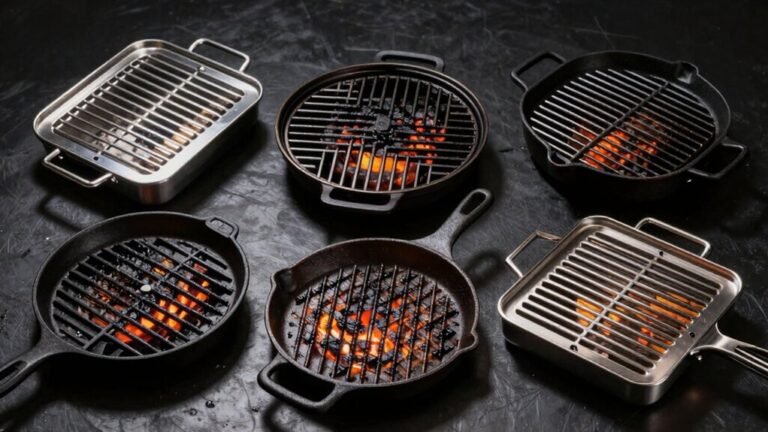
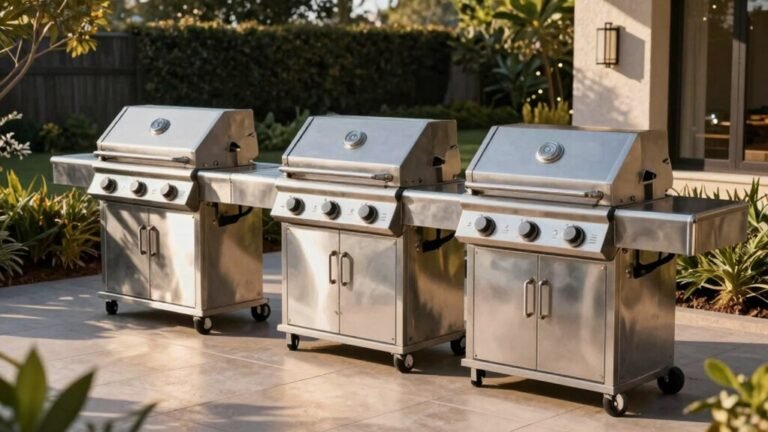
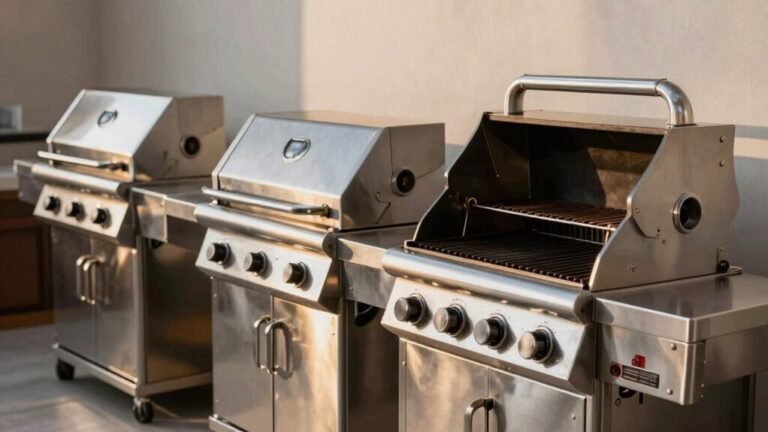
Every grill, regardless of brand or price point, shares five fundamental systems that determine its performance and longevity. Cooking grate materials—stainless steel, cast iron, or porcelain-coated steel—directly impact sear quality and maintenance requirements. Cast iron retains heat superior for marking, while stainless resists corrosion. Regular grill grate cleaning helps prevent food buildup and extends the life of any grate material. Applying high smoke point oils before cooking helps season the grates and prevents food from sticking. Burner types vary in design (H-shaped, tubular, oval) and construction material, with thicker stainless or brass options outlasting thin alternatives by years. Heat shield functions protect burners from drippings while vaporizing fats for flavor infusion. These bars distribute heat evenly across the cooking surface. Ignition systems—electronic, piezo, or manual—provide flame starts through battery modules or heating elements. Venturi tubes mix oxygen with gas to regulate fuel flow and create proper flames at the burners. Finally, grease management channels drippings to collection trays, preventing dangerous flare-ups and maintaining operational efficiency.
How Different Fuel Sources Shape Your BBQ Experience
While grill construction determines how efficiently heat reaches your food, the fuel source itself fundamentally alters the chemistry of that heat and the flavors it creates. Charcoal produces rich smoky flavor through high-temperature combustion but demands skill for temperature management. Wood pellets deliver consistent heat output with minimal ash residue, ideal for extended cooking sessions. Propane and natural gas provide precise temperature control for quick searing, though they can’t replicate authentic smoke compounds. Electric grills eliminate open flames entirely, sacrificing the cooking experience purists expect. Your fuel choice directly impacts heat retention, combustion byproducts, and flavor development. Clean grill grates while warm to ensure optimal heat transfer and prevent residue buildup. Charcoal requires active management, while pellets automate the process. Gas options prioritize convenience over complexity, and electric models maximize safety while minimizing traditional BBQ characteristics. Combining fuel sources can enhance both taste profiles and temperature management capabilities for versatile outdoor cooking. Traditional offset smokers using thick steel construction provide superior heat retention and temperature control for authentic BBQ results.
Temperature Control: The Real Game Changer
Mastering temperature control transforms inconsistent backyard cooking into repeatable culinary precision. You’ll need specific temperature ranges—180–200°F for slow roasting delivers proper internal doneness around 165°F. For optimal results with chicken quarters, maintain a grill temp of 375°F for even cooking and crispy skin. Temperature management techniques include manual airflow adjustment through vents and dampers, which regulate oxygen supply and combustion rates. Bottom vents control intake; top vents manage exhaust. Strategic charcoal placement creates distinct heat zones for versatile cooking methods. Modern pellet grills offer digital temperature controls for precise heat management from smoking to searing.
Automatic controllers’ benefits extend beyond convenience. PID-based systems like Flame Boss and BBQGuru DigiQ use feedback loops to maintain stable temperatures through fan-controlled airflow. Multiple probes monitor both cooker and food simultaneously. WiFi-enabled units allow remote adjustments, eliminating constant manual intervention during extended cooks. These controllers detect lid openings and pause fans to prevent temperature spikes, ensuring moisture retention and ideal texture throughout the cooking process. Long smoking sessions often require 16+ hours of steady heat, demanding either constant vigilance or automated temperature regulation.
[affiai keyword=”wifi bbq temperature controller probe” template=”carousel” count=”3″
Matching Grill Types to Your Cooking Style
Your cooking intentions dictate which grill platform delivers ideal results. If you’re searing steaks and vegetables over direct flame, charcoal advantages include high-temperature capability and traditional smoke infusion through lump hardwood. Gas efficiency shines when you need quick start-up and consistent moderate heat for burgers and hot dogs, minimizing preparation time. Pellet versatility emerges during low-and-slow barbecue sessions—automated temperature control lets you roast brisket or even bake pizza without constant monitoring. Wood authenticity can’t be replicated; it produces the richest, most variable smoke profiles for chops and rustic vegetables, though it demands greater skill. Gas grills offer excellent flexibility with indirect grilling zones when using just two burners of a three-burner setup. Pre-cooking ribs in a low temperature oven before grilling ensures tender, perfectly finished results while saving valuable grill time. Hybrid models let you switch between fuel types, accommodating cooks who experiment across direct grilling, smoking, and indirect roasting within one platform. Portable grills offer compact transport capabilities for tailgating and camping while maintaining effective cooking performance.
What You Need to Know About Upkeep and Longevity
Selecting the right grill solves only half the equation—proper maintenance determines whether your investment lasts three seasons or three decades. Your cleaning routine starts with brushing grates after each use, preventing bacteria and sticking. Weekly deep cleaning removes stubborn grease extending component life. Empty grease traps regularly—accumulated fat creates fire hazards and accelerates metal degradation. Carbonized grease buildup on the lid should be brushed away to maintain proper heat distribution. Using a stainless steel sponge helps remove tough residue while protecting your grill’s surfaces.
Establish a maintenance schedule: light cleaning after every use, medium cleaning every 10–15 uses, and deep cleaning every 3–6 months. Monthly inspections catch rust, loose hardware, and gas line leaks before they compromise safety. Test connections with soapy water; bubbles indicate dangerous leaks requiring immediate attention. Lubricate moving parts such as knobs and handles with food-grade lubricant to ensure smooth operation and prevent seizing.
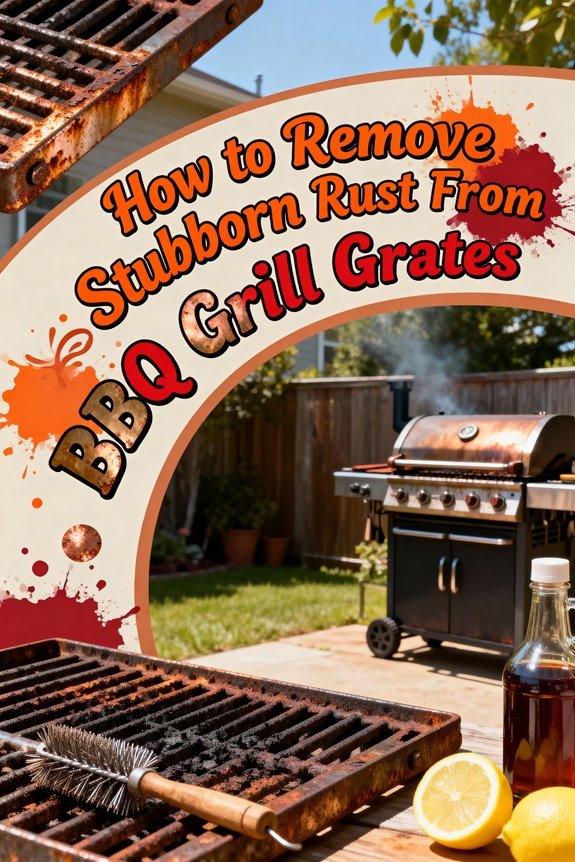
Season grates with high-smoke-point oils to prevent rust. Store your grill covered in dry conditions, and replace worn components promptly. Documentation tracks patterns and prevents neglect.
[affiai keyword=”grill cleaning and maintenance supplies” template=”carousel” count=”3″